E-mail:sales@topviewer.com.cn
E-mail:sales@topviewer.com.cn

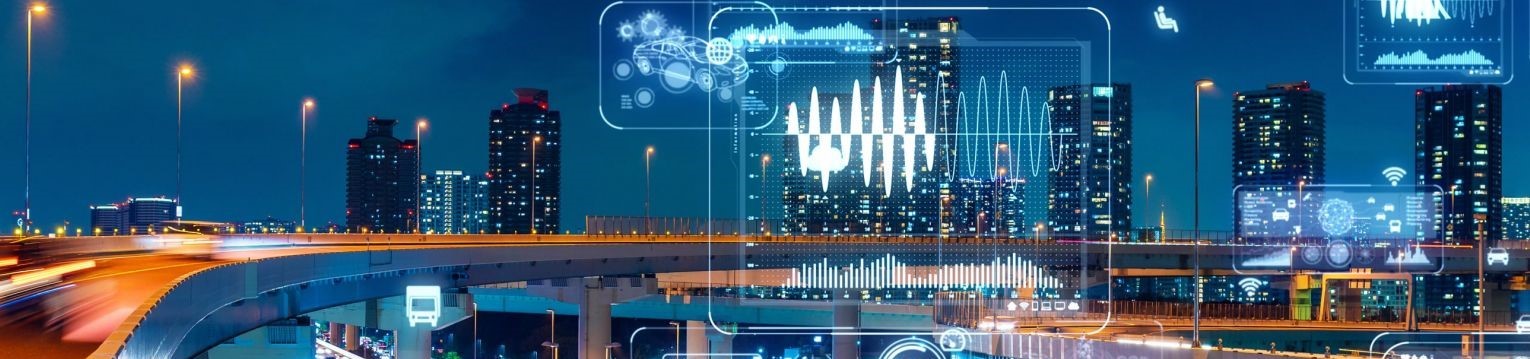
Drones have come a long way since their inception, with modern unmanned aerial vehicles (UAVs) now equipped with advanced technology that allows them to perform a wide range of tasks. One of the most important features of today’s drones is their ability to avoid collisions with obstacles, ensuring the safety of both the drone and its surroundings. This article will explore the mechanics of a drone’s collision avoidance system, shedding light on how these devices are able to navigate through complex environments with ease. At the heart of a drone’s collision avoidance system lies a series of sensors that constantly monitor the UAV’s surroundings. These sensors can include cameras, ultrasonic sensors, infrared sensors, and LiDAR (Light Detection and Ranging) sensors and MMW sensors.
Each type of sensor has its own strengths and weaknesses, and the most advanced drones often combine multiple types of sensors to create a more comprehensive and accurate understanding of their environment.
Cameras capture images of the drone’s surroundings, which are then processed by the drone’s onboard computer to identify potential obstacles. The computer uses sophisticated algorithms to analyze the images and determine the distance, size, and relative speed of objects in the drone’s path. This information is then used to make real-time adjustments to the drone’s flight path, ensuring that it avoids any potential collisions.
Ultrasonic sensors,emit high-frequency sound waves that bounce off nearby objects and return to the sensor. The drone can calculate the distance to the object with a high degree of accuracy. Ultrasonic sensors are particularly useful for detecting obstacles at close range, making them an excellent complement to cameras, which are better suited for detecting objects at greater distances.
Infrared sensors work by emitting infrared light, which is then reflected off nearby objects and detected by the sensor. Like ultrasonic sensors, infrared sensors are able to calculate the distance to objects based on the time it takes for the light to travel to the object and back. Infrared sensors are especially useful in low-light conditions, as they do not rely on visible light to function.
LiDAR sensors are among the most advanced and accurate sensors used in drone collision avoidance systems. They function similarly to infrared sensors, but use laser light instead of infrared light. LiDAR sensors can create detailed, three-dimensional maps of the drone’s surroundings, allowing the UAV to navigate through complex environments with a high degree of precision.
MMW sensors are among the most cost-effective sensors used in drone anti-collision system. It is not effected by whether under strong light, high temperature, fog, dust, wind, and night, 7x24 hours work, and also anti-corrision, which is widely used in agricultural drones.
Once the drone’s sensors have gathered data about its surroundings, the onboard computer processes this information and uses it to make real-time adjustments to the drone’s flight path. This process involves complex algorithms that take into account factors such as the drone’s speed, altitude, and desired trajectory. The end result is a UAV that can navigate through even the most challenging environments with ease, avoiding obstacles and ensuring the safety of both the drone and its surroundings.
In conclusion, a drone’s collision avoidance system is a remarkable feat of engineering that combines advanced sensor technology with sophisticated algorithms to enable UAVs to navigatesafely through complex environments.
 Automatic Boom Barrier Market Outlook 2023 and Forecast to 2030
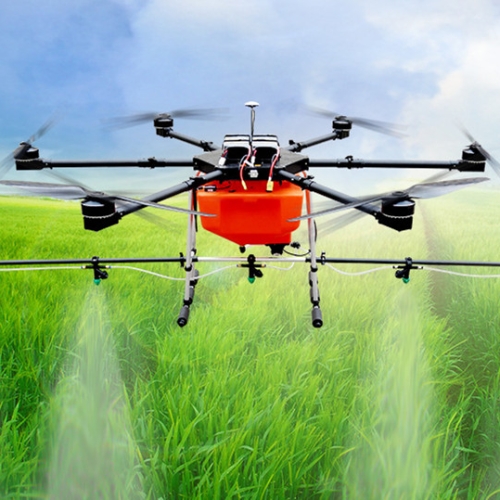 How Does a Drone's Collision Avoidance System Work?
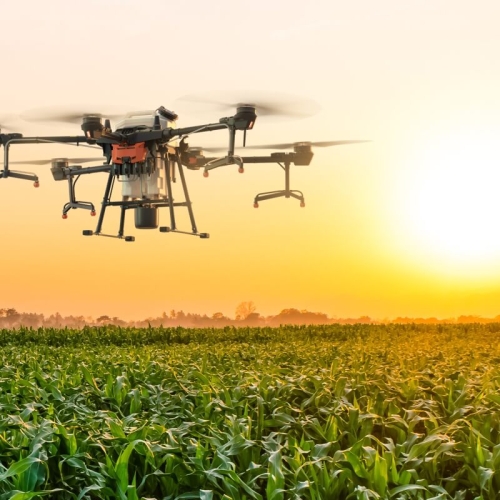 Smart Agriculture With MMW Radar On Drones of Open Source Platform
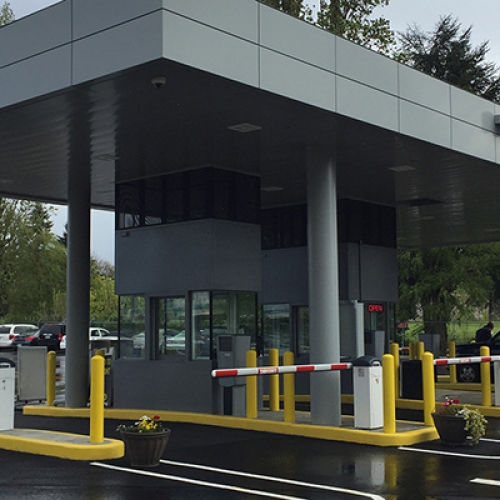 Barrier Gate Working With Topviewer Products
 Strengthening Road Traffic Enforcement in Brazil
 Traffic Monitoring Systems To Come Up On Chennai Roads Soon